
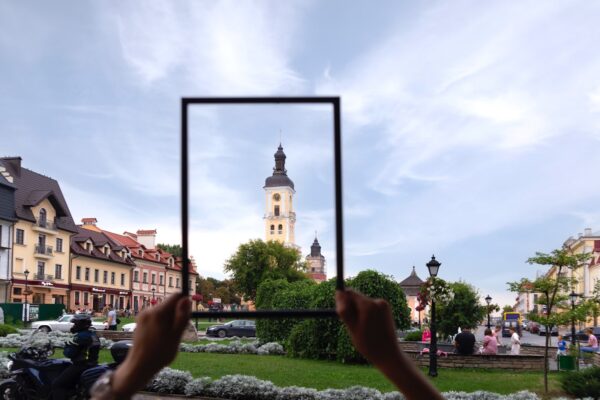
Berlin. The name alone brings to mind iconic symbols such as the Brandenburg Gate, the remnants of the Wall, and the grandeur of Museum Island. However, there’s one thing about the capital of Germany: Berlin is a city for the curious wanderer, someone comfortable taking the road less traveled and stumbling upon places which do not appear on the Instagram explore page. Beyond the tourist highlights exists a Berlin that feels like a good secret murmured among friends at a späti while riding bikes on a Sunday afternoon.
I walked past the same corner in Kreuzberg 3 times before I noticed the unmarked door that led to a hidden garden. That is Berlin, the layers of the city where history and counter culture become forgotten courtyards, underground tunnels, and unusual museums pulled together because someone thought they should exist.
You have seen all the major landmarks and now you are hoping for something different. These secret corners of Berlin will take you to the Berlin locals love.
The Enchanted Hinterhöfe of Hackesche Höfe’s Neighbors
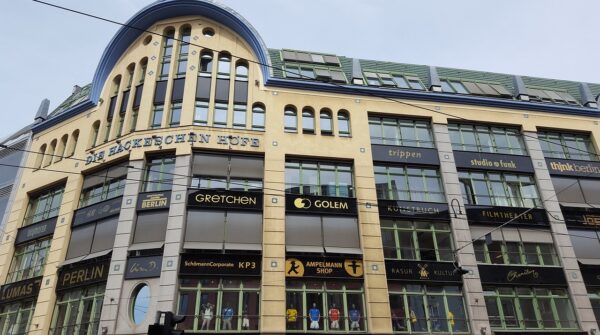
Hackesche Höfe is well known to all, with Art Nouveau courtyards nowadays filled with boutiques and tourists. But walk just two blocks away, and you will find a maze of hinterhöfe, interconnected courtyards, still exquisitely unshaped by the forces of commerce. These are the livery courtyards of the Spandauer Vorstadt, and they cast a spell in Berlin that is hard to find anywhere else. Crumbling, peeling facades with ivy curling up the wall to the roof, feel frozen in time. Little artist studios in historic backyards where you may (safely) peer through an open window to see a potter at work at their wheel.
Secluded gardens where elderly residents garden the communal flower beds. You look for an open door along Auguststraße or Linienststraße during the day. Berliners rarely lock courtyard gates, whether behaviorally they don’t lock them, or they just don’t believe in locks. It’s perfectly acceptable to wander through (courteously exploring is an excellent Berlin practice) and you will immediately immerse appealingly in a treasured haunt: an intimacy of resident flow and human life, where the smell of someone’s Sunday roast permeates through windows into the courtyard or the tags of graffiti artists also linger back from decades past.
Teufelsberg: The Cold War Ruin on a Mountain of Rubble
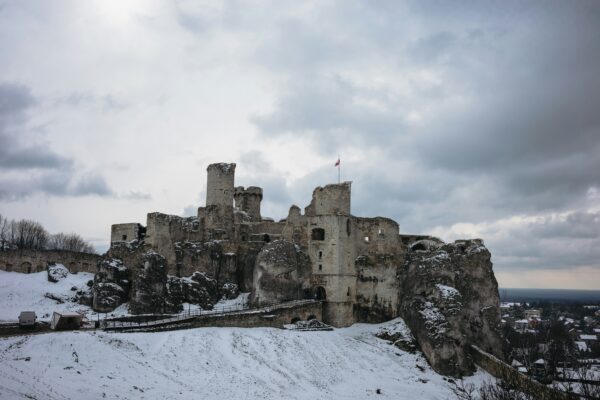
This may sound strange: a mountain that doesn’t really belong. Teufelsberg, which means “Devil’s Mountain,” is an artificial hill in the Grunewald forest that is made entirely of World War II debris, some 26 million cubic meters worth of bombed buildings from Berlin. At the top is an abandoned NSA listening station, a remnant of Cold War spying, that looks like it could be used as a movie set in a dystopia.
It’s not officially open, but urban explorers and tour groups have put it on the map. Upon entering, you are greeted by radar domes and some of the most beautiful street art in Berlin, plus 360-degree views of the entire city, better than any observation deck offers. The wind howls through broken windows and American intelligence officers previously listened to conversations taking place in East Berlin, and you can almost feel the weight of history. It is eerily beautiful and too far out of the way for most visitors.
The Klunkerkranich Rooftop: A Secret Garden in the Sky
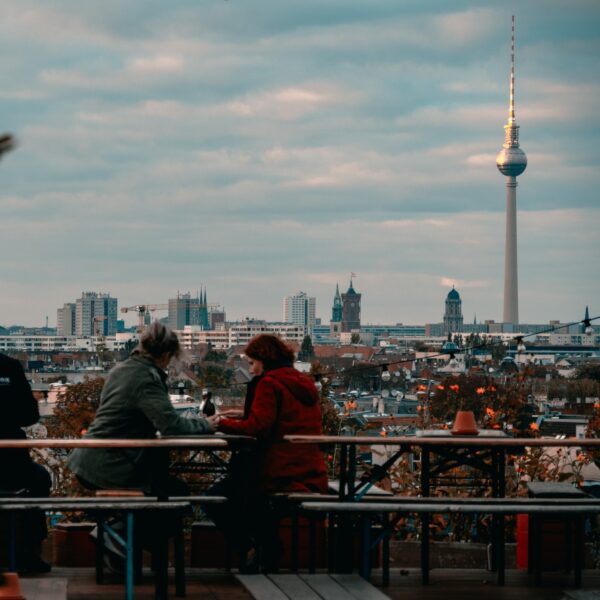
Neukölln’s Klunkerkranich is nothing you expected. Located on the rooftop of a brutalist parking garage, this informal garden and bar is the work of locals who accidentally found a way to make magic. Everything was built from scraps, wooden pallets, mismatched and discarded furniture, and plants growing from the remnants of old bathtubs.
There are no fancy signs directing you to Klunkerkranich; you have to know to take the elevator to the fifth floor of the parking garage. Once you arrive, you’ll be rewarded with unforgettable sunset views over the rooftops of Berlin, reasonably priced drinks, and an experience that holds the spirit of Berlin’s DIY movement perfectly.
On warm summer evenings, DJs will be spinning while people sip drinks and hang out in deck chairs surrounded by urban garden plots: it’s like you were let in on a secret that has a glimmer of magic and fun.
The Sammlung Boros: Art in a Nazi Bunker
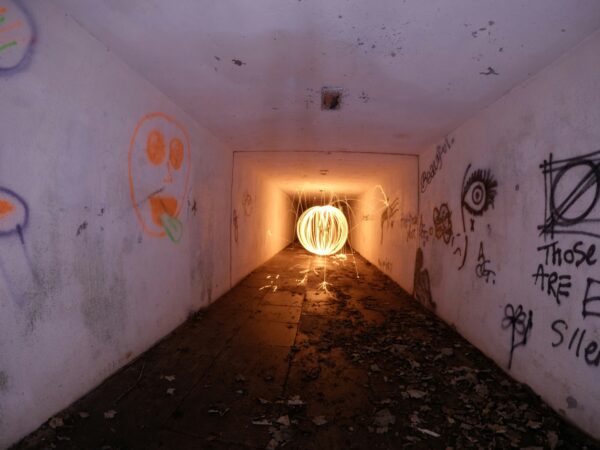
Most individuals walk right past this concrete windowless structure in Mitte without a second look. What they do not know is that within it is one of Berlin’s few private contemporary art collections from the world-renowned collector Christian Boros. He purchased the bunker and turned it into his own gallery, but you have to plan ahead: tours must be booked weeks in advance, and only small groups are permitted entry.
The contrast of contemporary art in a former World War II bunker, that previously stored ammunition, then became a prison, and was briefly a techno club, is striking when viewed collectively. The thick concrete walls, low ceilings, and oppressive spaces characterize an experience not found in traditional museums. It is a perfect metaphor for Berlin: the transformation of its own dark past into something stimulating and new.
The Spreepark: Berlin’s Abandoned Amusement Park
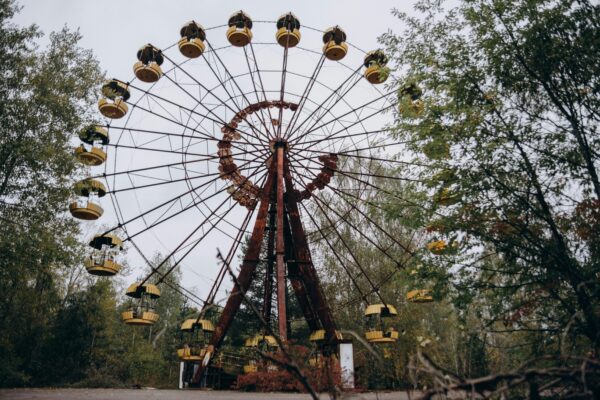
Spreepark has remained undisturbed since its closure in 2002, serving as a representation of childhood whimsy cohabiting with end of days aesthetics. The decaying remnants of a GDR era theme park are overwhelmed with characteristically wild East German vegetation, with dinosaur sculptures and swan boats slowly disappearing from view.
Even the Ferris wheel continues to stand in the open air, unmoving in the wind and minimally decorated by the sky. Graffiti artists have complete dominion over the forgotten rides, adorning their surfaces as best as they can. Once, this park was a gathering point for urban explorers who were willing to sneak by fences, discovered by wary eyes looking after it, and overtaken by foundation and development objects awaiting more definitive plans.
Even so, the undeniable absence of time creates an unsettling beauty. It’s as if you have walked on the set of a Wes Anderson movie that took a dark turn, treated to both whimsy and sadness.
The Unterwelten Museum: Beneath the Surface
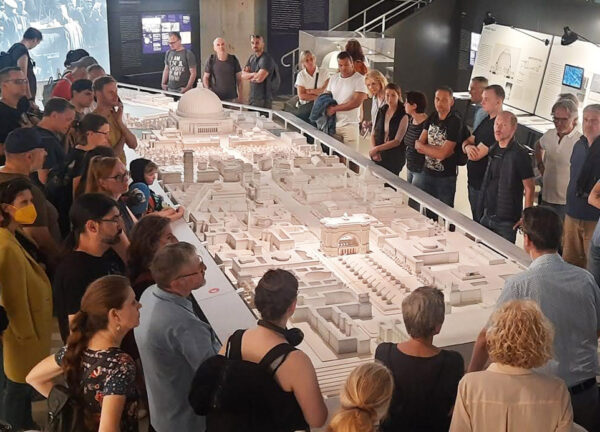
While tourists flock to the East Side Gallery, few wander into the underground. The Berliner Unterwelten (Berlin Underworlds) Museum offers tours through the city’s extensive system of bunkers, tunnels, and escape routes. The underground contains stories of World War air raids, in times of Cold War tension, and individuals trying to escape from the East to the West.
The guides, a mix of historians and underground fans—make a real narrative of concrete tunnels of courage and desperation. You’ll see original artifacts, learn about the elaborate systems on how to survive a nuclear war, and somehow understand Berlin from, literally, the ground up. It’s chilling, it’s interesting, and most of all, it is a must to contextualize Berlin’s layered history.
Finding Your Own Berlin
The great thing about the lesser-known corners of Berlin is that they are always changing. What is a hidden gem today can be a hot spot tomorrow, but new gems will always emerge from the cracks. The city’s squat culture, tolerance of the experimental, and large amounts of undefined space make for ideal and fertile ground for exploration.
My best advice? Get intentionally lost. Get on the U-Bahn and get off at a stop of your choice. Follow a fun piece of graffiti down a side street. Open that heavy, charred wood door at the back of the courtyard. Berlin rewards the accidentally adventurous and those willing to forego some comfort for exploration.
Though defiance is exhausting for the wanderer, it is particularly difficult in a city like Berlin, which does not add secret wisdom to an experience easily, but rather rewards you with that wisdom once you are committed to the secret itself, and this will almost always happen after you have been lost for a while.
And once you have committed to discovery, explored the unfamiliar, and figured things out from the comforts of your home, Berlin’s secrets and adventures become yours, at least until you are out with friends who share your mayhem and exchange stories that validate the confusion as entertaining or amusing or deep when shared over drinks.
The best Berlin is not in the guidebook but in the margins. It is not at monuments or festivals but in the little spots between, hidden among the history.
