
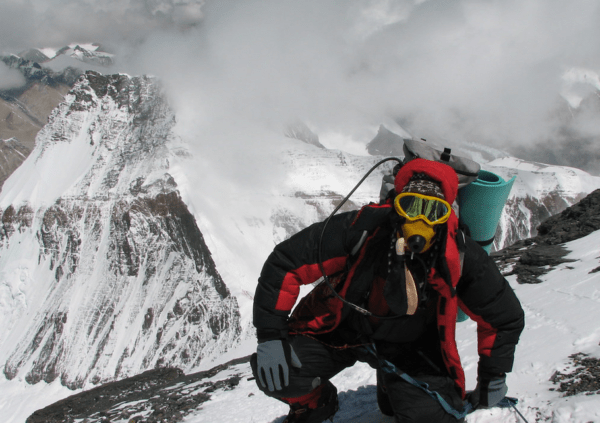
Climbing Mount Everest is considered one of the greatest achievements in mountaineering. The tallest mountain in the world is Everest, which is 8,848.86 m (29,031.7 ft) above sea level. Each year, hundreds of climbers strive to reach the peak and the process requires months of preparation, years of experience, good physical shape and the skills of making good decisions in extreme situations.
A lot of individuals believe that it is merely a question of determination to get to the top. The truth of the matter is that success is a lot more than motivation. Climbers have to contend with extreme altitude, freezing temperatures, fluctuating weather, technical climbing passages and physical overload for several weeks. Knowing the Everest Expedition Difficulty before the climb aids people in preparing with realistic expectations and having a better understanding of what the expedition is all about.
Why Is an Everest Expedition So Difficult?
Many factors interact to create the challenge of climbing Everest, not just a single obstacle. Climbers also take almost 2 months on the mountain, gaining altitude by bits to allow the bodies time to adjust to the reduced oxygen levels. They continuously relocate between camps during this period to transfer equipment, deal with death and wait till a favorable weather condition comes.
The more an individual goes up, the less oxygen there is. The amount of oxygen present at even the top of the mountain is never more than one-third that of sea level. Even such mere tasks as putting on boots, drinking water or taking a few steps become tiresome. Each of the decisions needs focus and an error can be disastrous.
Compared to several trekking paths, there are also technical climbing parts of Everest, as ropes, harnesses, crampons and ice axes are required. These parts require prior mountaineering training and experience.
Main Everest Expedition Challenges
The Everest Expedition Challenges start way before the summit. The climbers encounter physical, mental, environmental and technical challenges during the expedition.
The most difficult is extreme altitude. The body has already begun to work harder to do daily tasks above 5,364 m (17,598 ft) at the Everest Base Camp. The higher the camps that climbers head to, the harder it is to sleep, the less one will want to eat and the more time they will require to recuperate.
Another significant challenge is weather. Even in the climbing season, the temperatures may be below -30 C (-22 F). Powerful winds can reach 100 km/h, which can cause movement to be unsafe and visibility to be low. The snowfall and unexpected storms may slow down the summit attempts to days or even weeks.
Another challenging part on the southern side is the Khambu Icefall. Massive ice blocks, deep crevasses and the ever-shifting conditions demand cautious movement and vigilance. The steep ice slopes and bare ridges later on keep on challenging climbers until they finally get to the summit.
Understanding the Climbing Route
The majority of climbers start on the Nepal side, taking the Southeast Ridge route. The trip begins with a hike to Everest Base Camp (5,364 m /17,598 ft) and then descends to various camps at increasing altitudes.
Camp I sits at approximately 6,065 m (19,898 ft), followed by Camp II (6,400 m /20,997 ft). Camp III is located around 7,200 m (23,622 ft) on the Lhotse Face, while Camp IV stands at the South Col at 7,950 m (26,082 ft).
The camps get increasingly harder to reach due to the further depletion of oxygen levels. During acclimatization, climbers usually take trips up and down camp to camp before their final summit attempt.
| Expedition Stage | Elevation | Main Challenge |
| Everest Base Camp | 5,364 m (17,598 ft) | Beginning of high altitude adaptation |
| Camp I | 6,065 m (19,898 ft) | Crossing the Khumbu Icefall |
| Camp II | 6,400 m (20,997 ft) | Long exposure to thin air |
| Camp III | 7,200 m (23,622 ft) | Steep ice climbing and limited recovery |
| Camp IV | 7,950 m (26,082 ft) | Extreme altitude and preparation for summit |
| Summit | 8,848.86 m (29,031.7 ft) | Very low oxygen, exhaustion and weather risks |
Physical Fitness Requirements
The Everest Expedition Preparation process starts with physical conditioning, which can take a year or more before the climb. The well-developed cardiovascular system assists the climbers to work many hours with heavy weights at high altitude. Strength training enhances balance, stamina and steadiness in walking on snow and ice.
Building the required fitness is made possible through long-distance hiking with a backpack, climbing stairs, cycling, running and weight training. Rest is also essential since the body has to work every day with minimal rest.
Fitness in itself is not enough to be successful. There are many powerful athletes who can not cope with high altitude, as they are not experienced in mountaineering or do not adapt to it.
Mountaineering Skills Are Essential
Most individuals do not take into consideration the technical expertise needed for Everest. By the time a climber joins a team, he or she must already be familiar with the use of crampons, ice axes, fixed ropes, ascenders and descending equipment.
The majority of successful climbers have already accomplished several high-altitude climbs above 6,000 m (19,685 ft) or 7,000 m (22,966 ft). The skills that are learned in these climbs include: glacier travel, rope handling and moving safely on steep snow and ice.
Experience also assists the climbers to stay composed when things are out of control. Judgment can be as useful as physical prowess on Everest.
Altitude and Health Risks
Altitude-related illnesses contribute to a great deal of the Everest Expedition Difficulty. Acute Mountain Sickness may occur when a person ascends at a rapid rate. Symptoms include headache, nausea, dizziness, loss of appetite, as well as unusual fatigue.
More severe are High Altitude Pulmonary Edema and High Altitude Cerebral Edema. Such medical emergencies should be descended immediately and treated accordingly. Otherwise, they may turn out to be life-threatening.
The majority of expedition teams adhere to progressive acclimatization timetables to minimize such risks. Despite all the proper planning, though, no one can tell precisely how their body will react to extreme altitude.
Mental Strength Matters as Much as Physical Strength
The Everest Expedition Challenges are not physical only. Climbers stay weeks without coming home and in the midst of freezing weather, they would sleep in tents till the weather improved.
Patience is a skill that is significant since summit attempts are wholly made on weather windows. Plans can be altered many times and climbers should be able to stay focused even when there are delays, discomfort and uncertainty.
Decision-making under pressure is another mental challenge. Seasoned climbers know that sometimes it is safest and most prudent to turn back when you are close to the summit.
Weather Can Decide the Outcome
In any expedition to Everest, weather is a significant factor. The safest summit tries are normally conducted over brief durations in spring when winds momentarily shift to be less windy.
The monitoring of forecasts is continuous and circumstances may rapidly change. Strong winds enhance the possibility of frostbite and new snow heightens avalanche risk in some regions.
Due to weather windows, numerous teams might be looking to get to the summit at approximately the same time. Expert guides and planning can minimize delays and enhance safety in general.
Preparing for an Everest Expedition
Good Everest Expedition Preparation starts well before arriving in Nepal. Climbers ought to accumulate several years of mountaineering experience, successful climbs on lower mountains, endurance and technical climbing.
Other aspects of preparation involve education on altitude, nutrition, hydration, equipment and emergency protocols. It is also essential to choose an established expedition agency that has skilled guides, has the right logistics and oxygen supply.
No less attention should be paid to mental preparation. Climbers must learn that they need to be flexible, patient and take care in making decisions during the expedition.
Is an Everest Expedition Right for Everyone?
Not all who dream of Everest ought to go at once. Novices are to experience the smaller mountains first and gain confidence in alpine situations. Before attempting Everest, many climbers take years to climb through ever-challenging peaks.
This progressive style enhances technical skills, builds confidence and enables climbers to know the way their bodies respond at high altitudes. It also renders the experience in its entirety safer and more enjoyable.
Conclusion
The Everest Expedition Challenge is a culmination of high-altitude, technical climbing, weather conditions, physical fatigue and effective decision-making over a period of weeks. It takes much more than will to get to the top. It requires years of training, good fitness, good climbing experience and respect for the mountain.
Despite Everest being one of the greatest mountaineering objectives in the world, it has nothing to do with luck but must be carefully planned. Climbers who take the time to train, get the experience on smaller mountains and do the preparation have the best chance to finish the expedition safely and experience one of the greatest adventures on Earth.
