


Traveling can be an exciting experience, whether you are exploring a new city, taking a road trip, or catching a flight to another country. However, busy travel schedules can make it difficult to maintain healthy eating habits. Long journeys, airport snacks, unfamiliar restaurants, and irregular meal times may encourage you to choose convenient foods instead of balanced meals.
Following a healthy eating and balanced diet plan does not have to be complicated when you are traveling. With a little preparation and a few practical food choices, you can enjoy local cuisines while making room for nutritious meals. The goal is not to follow a strict diet throughout your trip but to find a realistic balance between convenience, enjoyment, and nutrition.
In this guide, you will discover simple tips for maintaining a balanced diet while traveling, choosing nutritious foods on the go, and developing healthy eating habits without disrupting your travel plans.
Why Healthy Eating Matters While Traveling
Travel often involves changes in sleeping patterns, meal schedules, physical activity, and daily routines. When you are constantly moving between destinations, it can be tempting to skip meals or depend on fast food.
Making thoughtful food choices can help you meet your nutritional needs during your journey. A balanced diet generally includes fruits, vegetables, whole grains, protein-rich foods, and healthy sources of fat.
Healthy eating while traveling can also help you establish a more consistent meal routine and make it easier to choose satisfying foods throughout the day. Rather than avoiding every treat or local specialty, focus on including a variety of nutritious foods whenever possible.
10 Healthy Eating and Balanced Diet Tips for Busy Travelers
1. Plan Your Meals Before Leaving
A little meal planning can make a big difference when you have a busy travel itinerary. Before leaving, consider how long you will be traveling, whether meals will be available, and what food options you can access at your destination.
For example, if you have an early flight, you could prepare breakfast in advance or identify a suitable option at the airport. If you are planning a road trip, look for places where you can stop for a proper meal.
Planning does not mean scheduling every bite. It simply helps you avoid relying entirely on whatever food happens to be available.
Quick tip: Check restaurant menus and nearby grocery stores before reaching your destination so you can make informed food choices.
2. Pack Nutritious Travel Snacks
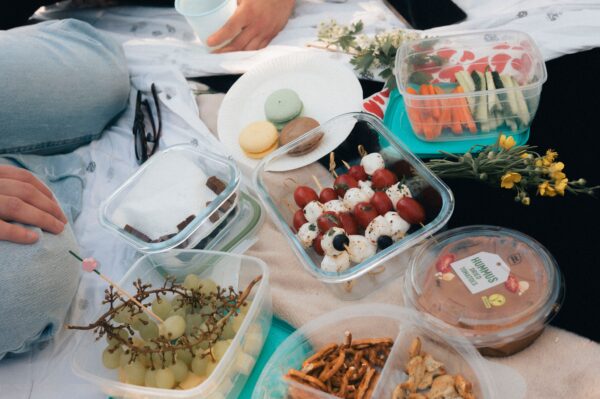
Carrying healthy snacks is one of the easiest ways to maintain healthy eating habits during long journeys. Snacks can be particularly useful when you experience delays, have limited food options, or need something between meals.
Consider packing convenient options such as:
- Fresh apples, bananas, or oranges
- Unsalted nuts and seeds
- Whole-grain crackers
- Roasted chickpeas
- Plain or lightly sweetened dried fruit
- Whole-grain sandwiches with suitable fillings
Choose snacks that travel well and suit your dietary needs. For long trips, remember that fresh foods and other perishable items may require refrigeration.
Having nutritious snacks available can help you make more deliberate choices instead of purchasing the first convenient option you see.
If you are preparing for an outdoor trip, check out our essential camping packing list for additional packing ideas and food options to consider before departure.
3. Build Balanced Meals Whenever Possible
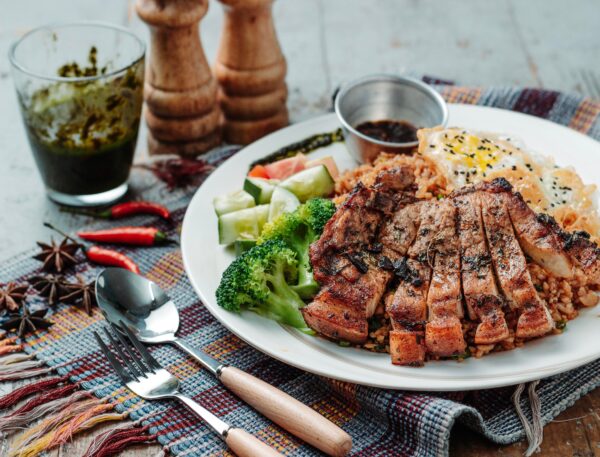
A balanced diet is about variety rather than eating one particular food. When choosing meals at restaurants, hotels, or food courts, look for a combination of different food groups.
A practical approach is to include:
- Vegetables and fruits: Add variety, color, and fiber to your meals.
- Whole grains: Consider oats, whole-wheat bread, brown rice, or other whole-grain choices.
- Protein-rich foods: Choose beans, lentils, eggs, fish, lean meat, tofu, or other suitable options.
- Healthy fats: Include foods such as nuts, seeds, olive oil, or avocado when available.
You do not need to find every component in every meal. Instead, consider the overall variety of foods you eat throughout the day.
For example, you could choose oatmeal with fruit for breakfast, a lentil or chicken bowl with vegetables for lunch, and fish, tofu, or beans with rice and vegetables for dinner.
If you are traveling with older family members, it is also helpful to consider their individual nutritional needs when planning meals. Read these practical healthy eating habits for seniors for additional guidance on making nutritious food choices.
4. Stay Hydrated Throughout Your Journey
Water is an important part of everyday nutrition, and it can be easy to forget to drink enough when you are sightseeing, driving, or moving between airports.
Keep a reusable water bottle with you where practical, and refill it using a safe drinking-water source. If you are traveling somewhere where tap water may not be safe, follow local guidance and choose properly treated, sealed, or otherwise safe drinking water.
Your fluid needs can vary depending on the climate, activity level, and individual circumstances. Hot weather and extended outdoor activities may increase the need to pay attention to hydration.
Water can be a useful everyday choice in place of sugary drinks. You can still enjoy local beverages while being mindful of how often you choose drinks with added sugar.
5. Make Smart Choices at Restaurants
Trying local restaurants is one of the best parts of traveling. You do not need to avoid local specialties to maintain a balanced diet. Instead, look for ways to combine enjoyment with variety.
When choosing a meal, consider options such as grilled or baked foods, vegetable-based dishes, lentil soups, bean dishes, and meals served with whole grains where available.
You can also ask whether a restaurant offers vegetables, salad, fruit, or a less heavily fried alternative. If portions are larger than you need, consider sharing a dish or saving some for later when safe storage is available.
Be flexible with your choices. A meal that is different from your usual routine will not determine the quality of your overall diet. What matters more is your pattern of food choices over time.
Food can be an important part of discovering a new culture. Read our article on traveling to experience local food for more inspiration on making food part of your next adventure.
6. Avoid Skipping Meals Because You Are Busy
Sightseeing, business meetings, and transportation schedules can make it tempting to skip meals. However, going for long periods without eating may leave you feeling hungry and make convenient, less nutritious options more appealing later.
Try to identify realistic meal breaks in your itinerary. If you know you will have a busy afternoon, eat a suitable meal beforehand and carry a snack for later.
Breakfast does not have to be elaborate. Fruit with yogurt, oatmeal, eggs with whole-grain toast, or another convenient combination may work depending on your preferences and dietary requirements.
The best routine is one that fits your travel schedule rather than one that creates additional stress.
7. Choose Convenient Foods Carefully
Convenience foods can be useful when you are traveling, but the available options vary considerably. Instead of assuming that every packaged food is unhealthy, compare products and select options that fit your needs.
When practical, check the nutrition label for added sugars, sodium, fiber, and protein. Look at the serving size as well, since the package may contain more than one serving.
For example, you might choose plain yogurt with fruit, a whole-grain sandwich, unsalted nuts, or a ready-to-eat bean salad instead of relying exclusively on confectionery or heavily salted snacks.
If you are staying in accommodation with a refrigerator or kitchen, a nearby grocery store can provide convenient ingredients for simple breakfasts and lunches.
8. Explore Local Cuisine Without Losing Balance
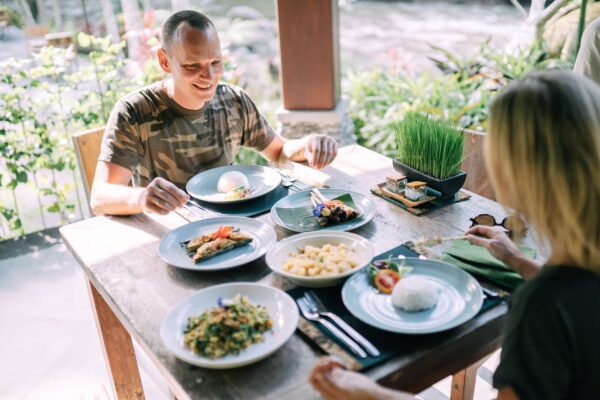
Discovering traditional food is an important part of travel. Fortunately, eating a balanced diet does not mean avoiding regional dishes or refusing to try unfamiliar ingredients.
Look for local foods that provide a variety of nutrients. Depending on your destination, these might include vegetable curries, lentil dishes, bean soups, grilled fish, fresh fruit, whole-grain breads, or rice-based meals with vegetables and protein.
You can also balance richer dishes with lighter choices during other meals. For example, if you enjoy a rich local specialty at lunch, you might choose a vegetable-based soup, salad, or another suitable meal later.
Avoid treating food as a test of willpower. Enjoying cultural dishes in reasonable portions can be part of a flexible, sustainable approach to healthy eating.
Exploring local dishes is a memorable part of any journey. Browse our food travel guides for inspiration on discovering restaurants, regional specialties, and food experiences at different destinations.
9. Be Mindful of Food Safety
Nutritious food is important, but food safety matters just as much when you are traveling. Different destinations may have different food-handling standards and water-quality conditions.
To reduce common food-safety risks:
- Wash your hands before eating whenever possible.
- Choose food that is freshly prepared and thoroughly cooked.
- Wash fresh produce with safe drinking water.
- Be cautious with raw foods when their handling or washing is uncertain.
- Avoid foods that have been left at unsafe temperatures for extended periods.
- Refrigerate perishable snacks and meals when required.
If you are traveling internationally, check official travel-health advice for your destination. People with specific medical or dietary needs may require additional precautions.
10. Keep Your Healthy Eating Routine Flexible
The most practical healthy eating plan is one you can maintain without making your trip stressful. You may not always find your preferred foods, and some days may involve airport meals, restaurant dining, or irregular schedules.
Instead of aiming for perfection, focus on small, achievable habits. Carry a water bottle, include fruit or vegetables when available, choose a satisfying breakfast, and keep nutritious snacks on hand.
If one meal is less balanced than you intended, simply return to your usual routine at the next opportunity. There is no need to skip meals or follow restrictive rules to compensate.
Flexibility allows you to enjoy your destination while continuing to make thoughtful food choices.
Sample One-Day Balanced Eating Plan for Travelers
If you are unsure what balanced eating might look like during a busy travel day, the following example can help you plan.
| Meal | Example food choices |
|---|---|
| Breakfast | Oatmeal with fruit and nuts, or eggs with whole-grain toast |
| Morning snack | An apple, banana, or a small portion of nuts |
| Lunch | A vegetable and lentil bowl, or a chicken or tofu sandwich with salad |
| Afternoon snack | Plain yogurt, roasted chickpeas, or whole-grain crackers |
| Dinner | Grilled fish, tofu, beans, or lentils with vegetables and rice |
| Drinks | Water throughout the day, according to your needs |
This is a flexible example, not a prescribed meal plan. Adjust portions, ingredients, and meal timing to your appetite, activity level, dietary preferences, allergies, and access to food.
Common Healthy Eating Mistakes to Avoid While Traveling
Even travelers who try to eat well may fall into habits that make balanced eating more difficult. Being aware of these common challenges can help you plan more effectively.
Skipping preparation: Leaving home without considering meals or snacks may limit your options during a busy day.
Relying entirely on fast food: Convenience foods can be useful, but choosing a wider variety of foods can help you meet your nutritional needs.
Forgetting water: Busy itineraries can distract you from drinking fluids regularly.
Following overly restrictive rules: Trying to avoid every treat or local dish can make eating stressful and reduce the enjoyment of travel.
Ignoring food safety: A food choice that looks appealing may not be suitable if it has been stored or prepared unsafely.
A few practical habits can help you avoid these problems without requiring a complicated diet plan.
Frequently Asked Questions About Healthy Eating and Balanced Diet
1. How can I maintain a healthy eating and balanced diet while traveling?
Plan meals when possible, carry suitable snacks, drink safe water, and look for meals containing a variety of food groups. Be flexible when your itinerary or available options change.
2. What are the best healthy snacks for busy travelers?
Fruit, unsalted nuts, seeds, roasted chickpeas, whole-grain crackers, and suitable sandwiches are convenient options. Choose snacks according to your dietary needs, travel duration, and storage conditions.
3. How can I eat healthy at airports?
Look for options such as fruit, oatmeal, salads, vegetable dishes, whole-grain sandwiches, eggs, or other suitable protein-rich foods. Compare available choices and select what best fits your preferences and needs.
4. Can I enjoy local food while following a balanced diet?
Yes. A balanced diet can include a wide range of traditional and regional foods. Enjoy local specialties while aiming for variety across your meals and including fruits, vegetables, whole grains, and protein-rich foods when available.
5. How much water should I drink while traveling?
Fluid needs vary with the weather, activity level, individual health, and other factors. Drink regularly and pay attention to thirst, particularly during hot weather or physical activity. Follow medical advice if you have a condition that requires fluid restrictions.
6. Is meal planning necessary for healthy eating during travel?
Meal planning is helpful but not essential. Even simple preparation, such as checking restaurant options or packing a few snacks, can make it easier to find suitable food when your schedule is busy.
7. What should I eat before a long flight?
Choose a meal that you find satisfying and that suits your usual dietary needs. Options such as oatmeal, eggs with toast, a whole-grain sandwich, or rice with vegetables and protein may work well. Consider the flight duration and availability of food during the journey.
Final Thoughts
Maintaining a healthy eating and balanced diet while traveling is easier when you focus on practical habits rather than strict rules. Planning meals, carrying nutritious snacks, staying hydrated, exploring local cuisine, and making informed restaurant choices can all support a balanced approach to eating.
You do not have to sacrifice the enjoyment of travel to make healthier food choices. Start with one or two habits that fit your itinerary and build from there. With a flexible approach, you can enjoy new destinations, experience local flavors, and make nutrition part of a more comfortable travel routine.
Disclaimer: This article provides general educational information about food choices while traveling and is not a substitute for individualized medical or nutritional advice. Consult a qualified healthcare professional or registered dietitian if you have specific dietary requirements or health concerns.
